
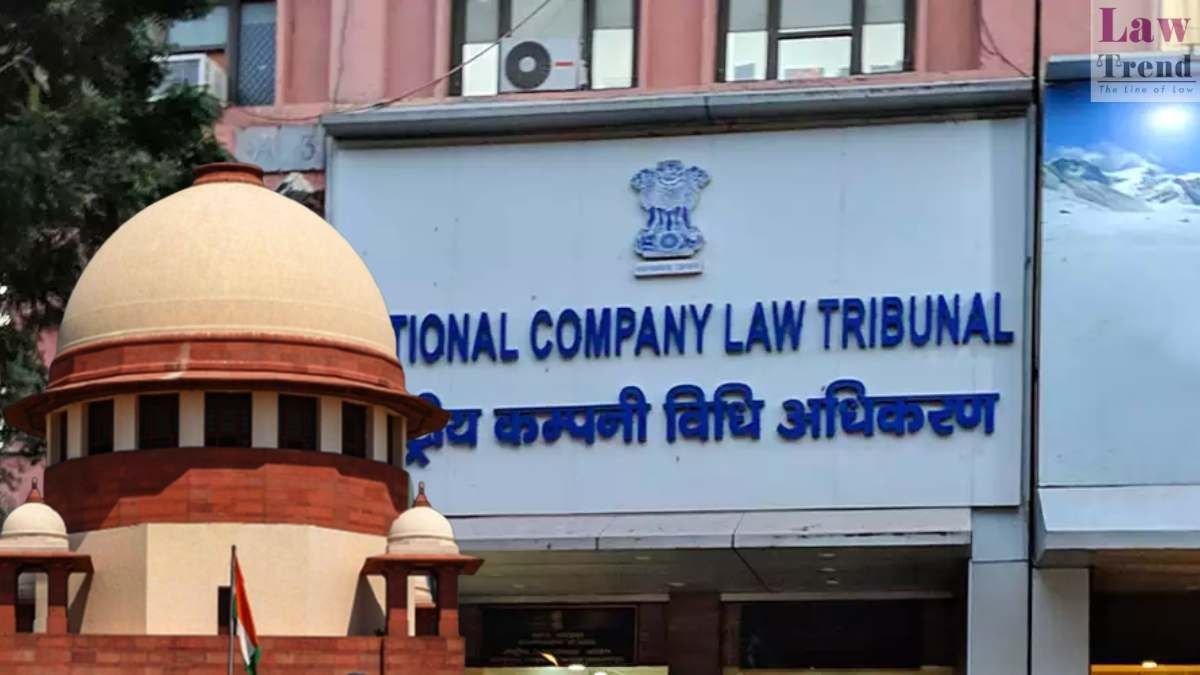
Businesses may face legal challenges involving unpaid debts, corporate insolvency, shareholder disagreements, mismanagement, mergers, or company restructuring. These matters can affect business operations, financial interests, and relationships between stakeholders. Understanding the applicable legal framework and choosing the appropriate legal course of action are important when a corporate dispute arises.
An NCLT Lawyer in Delhi can help businesses, creditors, shareholders, directors, and other eligible parties understand proceedings before the National Company Law Tribunal (NCLT). Depending on the nature of the dispute, legal assistance may involve reviewing documents, preparing applications and replies, advising on statutory requirements, and representing a party in relevant proceedings.
The National Company Law Tribunal is a specialised judicial body established under the Companies Act, 2013. It also exercises adjudicatory functions under the Insolvency and Bankruptcy Code, 2016 (IBC). The NCLT handles specified company law and insolvency matters within its statutory jurisdiction.
For individuals and businesses dealing with corporate legal issues in Delhi, understanding the NCLT process can help them make informed decisions and prepare for the next legal step.
What Is the National Company Law Tribunal (NCLT)?
The National Company Law Tribunal (NCLT) is a specialised tribunal that adjudicates specified disputes and applications relating to companies and corporate insolvency in India. It was constituted by the Central Government under Section 408 of the Companies Act, 2013, and began functioning on 1 June 2016.
Its jurisdiction includes several matters under the Companies Act, 2013, and the Insolvency and Bankruptcy Code, 2016.
Some of the important matters handled by the NCLT include:
- Corporate Insolvency Resolution Process (CIRP) applications.
- Oppression and mismanagement disputes.
- Mergers, amalgamations, and corporate arrangements.
- Rectification of the register of members in appropriate cases.
- Reduction of share capital where tribunal approval is required.
- Restoration of a company’s name in eligible cases.
- Specified winding-up proceedings.
- Insolvency proceedings involving personal guarantors to corporate debtors.
The tribunal’s authority depends on the relevant legislation, the facts of the case, and the applicable procedural requirements. Not every business dispute automatically falls within NCLT jurisdiction.
Why Do You Need an NCLT Lawyer in Delhi?
Corporate litigation often involves statutory provisions, financial records, company documents, procedural rules, and strict filing requirements. A legal issue that initially appears to be a straightforward payment or management dispute may require a detailed assessment of the applicable law.
An NCLT Lawyer in Delhi can assist with understanding the available legal remedies, identifying relevant evidence, and preparing a case in accordance with the applicable law.
1. Corporate Insolvency and IBC Proceedings
When a company defaults on qualifying financial or operational debt, eligible parties may consider remedies under the Insolvency and Bankruptcy Code, 2016. The appropriate route depends on the nature of the debt, the applicable statutory threshold, evidence of default, and other legal requirements.
Legal assistance may include examining financial records, reviewing contractual obligations, preparing the necessary application, and responding to objections during proceedings.
2. Company Law Disputes
Disagreements among shareholders, directors, or other stakeholders can create uncertainty about a company’s management and future. Certain disputes involving oppression or mismanagement may be brought before the NCLT when the statutory requirements are satisfied.
A lawyer can review the company’s constitutional documents, board resolutions, shareholder records, correspondence, and other relevant material to assess the available remedies.
3. Creditor and Debt Recovery Matters
Financial creditors and operational creditors may have different rights and procedural requirements under the IBC. Legal advice can help determine whether an insolvency application is appropriate or whether another contractual or legal remedy should be considered.
An insolvency proceeding should not be treated as an automatic substitute for every debt recovery action. The facts and applicable law must be assessed before choosing a course of action.
4. Mergers, Amalgamations, and Corporate Restructuring
Companies undertaking mergers, amalgamations, or certain restructuring arrangements may require approval from the NCLT. These matters can involve scheme preparation, statutory disclosures, stakeholder notices, and compliance with applicable legal requirements.
Legal support can help identify the necessary procedural steps and prepare the documentation required for the relevant application.
NCLT Legal Services in Delhi
The legal assistance required for an NCLT matter depends on the client’s role, the stage of the proceedings, and the nature of the dispute. Common areas of assistance include the following.
Corporate Insolvency Resolution Process (CIRP)
CIRP is a statutory process under the IBC for resolving the insolvency of eligible corporate debtors. Depending on the circumstances, an application may be initiated by an eligible financial creditor, operational creditor, or corporate applicant under the relevant provisions.
Legal work may include:
- Reviewing loan agreements, invoices, and financial records.
- Examining evidence relating to the alleged default.
- Preparing applications, replies, and supporting documents.
- Addressing procedural objections.
- Advising on the legal implications of admission or rejection of an application.
The eligibility of the applicant and the maintainability of the application must be assessed before filing.
Oppression and Mismanagement Petitions
Shareholder disputes can involve allegations that the company’s affairs are being conducted in a manner prejudicial to particular members or the company’s interests. Sections 241 and 242 of the Companies Act, 2013, provide the statutory framework for specified oppression and mismanagement proceedings.
Legal assistance may involve examining shareholding patterns, board decisions, financial disclosures, and relevant correspondence to determine whether the statutory requirements for relief are met.
Company Merger and Amalgamation Matters
Certain schemes of arrangement, mergers, and amalgamations require NCLT approval under the Companies Act, 2013. The process can involve preparing a scheme, complying with applicable disclosure requirements, obtaining necessary reports, and addressing objections from stakeholders or authorities.
The specific procedure varies according to the transaction and the relevant statutory provisions.
Company Restoration and Winding-Up Matters
In eligible cases, applications may be made for restoration of a company’s name to the register or for winding-up relief under the applicable legal framework.
These matters require careful attention to statutory grounds, limitation periods where applicable, supporting records, and the appropriate forum. The correct remedy depends on the company’s status and the circumstances leading to the dispute.
Appeals and Related Corporate Litigation
Certain NCLT orders may be challenged before the National Company Law Appellate Tribunal (NCLAT), subject to the applicable appeal provisions, limitation periods, and procedural requirements. Further appeals to the Supreme Court may be available on the grounds permitted by law.
Before pursuing an appeal, it is important to examine the order, identify legally sustainable grounds, and verify the applicable deadline.
How Does the NCLT Legal Process Work?
Although procedures vary by case type, an NCLT matter generally involves several stages.
Step 1: Initial assessment
The relevant facts, legal issues, jurisdiction, available remedies, and statutory requirements are examined. This helps determine whether an NCLT application is appropriate.
Step 2: Document collection
The parties organise the documents supporting their position. These may include contracts, invoices, loan records, financial statements, board resolutions, shareholder records, notices, and correspondence.
Step 3: Preparation and filing
The application, petition, reply, or other required pleading is prepared under the applicable law and procedural rules. Filing requirements and supporting documents should be checked against the current rules and directions.
Step 4: Tribunal proceedings
The tribunal considers the pleadings, applicable law, and submissions of the parties. Depending on the matter, the process may involve notices, replies, hearings, procedural directions, and further evidence or submissions where permitted.
Step 5: Order and subsequent remedies
The NCLT passes an order in accordance with the law and the issues before it. Depending on the outcome, a party may need to comply with the order, consider an available appeal, or pursue another legally permissible remedy.
Timelines depend on the type of proceeding, the complexity of the dispute, procedural compliance, and the tribunal’s schedule. No particular outcome or completion date can be guaranteed.
Documents Commonly Required for NCLT Proceedings
The documents needed depend on the nature of the application and the party filing it. Relevant records may include:
- Certificate of incorporation and corporate identification details.
- Memorandum and Articles of Association, where relevant.
- Board resolutions and authorisations.
- Loan agreements, invoices, and account statements.
- Evidence supporting the alleged debt or default.
- Notices, replies, and correspondence between the parties.
- Shareholding records and minutes of meetings.
- Financial statements and other relevant company records.
- Copies of earlier orders or pending proceedings, where applicable.
This is a general checklist, not a complete filing list. The applicable statutory provisions, procedural rules, and tribunal directions determine which documents must accompany a particular application.
Understanding NCLT Jurisdiction in Delhi
The NCLT has a Principal Bench and regional benches, with territorial jurisdiction determined by the applicable notifications and legal provisions. The official NCLT jurisdiction information identifies both the Principal Bench and the Delhi Bench as having jurisdiction over the Union Territory of Delhi.
The appropriate bench and filing requirements should nevertheless be verified for the particular matter. The relevant jurisdiction may depend on the company’s registered office, the type of proceeding, and the applicable statutory framework.
For businesses and stakeholders dealing with corporate matters in Delhi, checking jurisdiction at the outset can help avoid procedural complications.
How to Prepare for an NCLT Consultation
Before discussing a potential NCLT matter with a lawyer, organise the essential facts and documents. A structured consultation can help identify the issues that require immediate attention.
Consider preparing the following:
- A brief chronology: List important events, dates, defaults, meetings, notices, and communications.
- Relevant company records: Keep corporate documents, agreements, financial statements, and resolutions readily available.
- Details of existing proceedings: Identify any pending cases, previous orders, notices, or appeal deadlines.
- Your objective: Clarify whether you need to assess an insolvency application, respond to a petition, address a shareholder dispute, or evaluate an appeal.
- Urgent deadlines: Highlight any statutory time limits or dates mentioned in tribunal orders and legal notices.
Avoid delaying legal review where an applicable limitation period, response deadline, or other time-sensitive requirement may be involved.
NCLT Legal Assistance Through Vivek Narayan Sharma
Vivek Narayan Sharma’s website identifies him as an Advocate-on-Record of the Supreme Court of India and lists insolvency and commercial disputes among the firm’s practice areas. These areas are relevant to corporate matters that may involve tribunal proceedings or related litigation.
The appropriate legal approach depends on the specific dispute, the applicable legislation, and the procedural stage of the matter. A case-specific review is necessary to determine the available remedies, filing requirements, and appropriate forum.
For additional information about the practice areas and professional background, readers can explore the Insolvency & Commercial Disputes practice area and the website’s contact and consultation options.
Conclusion
NCLT proceedings can have significant implications for a company’s financial position, governance, ownership, and future operations. Understanding the tribunal’s jurisdiction, applicable legislation, procedural requirements, and available remedies is an important first step when a corporate dispute arises.
For individuals and businesses in Delhi, a careful assessment of the facts and supporting documents can help clarify whether an NCLT application, defence, restructuring process, or appeal may be appropriate. The right legal approach should be based on the circumstances of the case and the requirements of the law, rather than assumptions about the outcome.
Frequently Asked Questions About NCLT
What does an NCLT lawyer do?
An NCLT lawyer assists with matters falling within the tribunal’s jurisdiction, including eligible insolvency proceedings, company law disputes, mergers, amalgamations, and specified shareholder matters. Assistance may include legal advice, document review, drafting, filing, and representation where appropriate.
Can a creditor approach the NCLT for unpaid dues?
An eligible financial or operational creditor may initiate proceedings under the IBC if the relevant statutory requirements are satisfied. The nature of the debt, evidence of default, applicable threshold, and other legal conditions must be assessed before filing.
Does every company dispute go to the NCLT?
No. The NCLT can hear matters assigned to it by legislation. The correct forum depends on the nature of the dispute, the relief sought, and the applicable law.
Can an NCLT order be appealed?
Certain orders can be appealed to the NCLAT under the applicable provisions. Further appeal to the Supreme Court may be available in circumstances permitted by law. Applicable deadlines and procedural requirements should be checked promptly.
What documents should I bring for an NCLT legal consultation?
Bring the relevant company records, agreements, financial documents, notices, correspondence, previous orders, and a chronology of events. Additional documents may be required depending on the matter.