
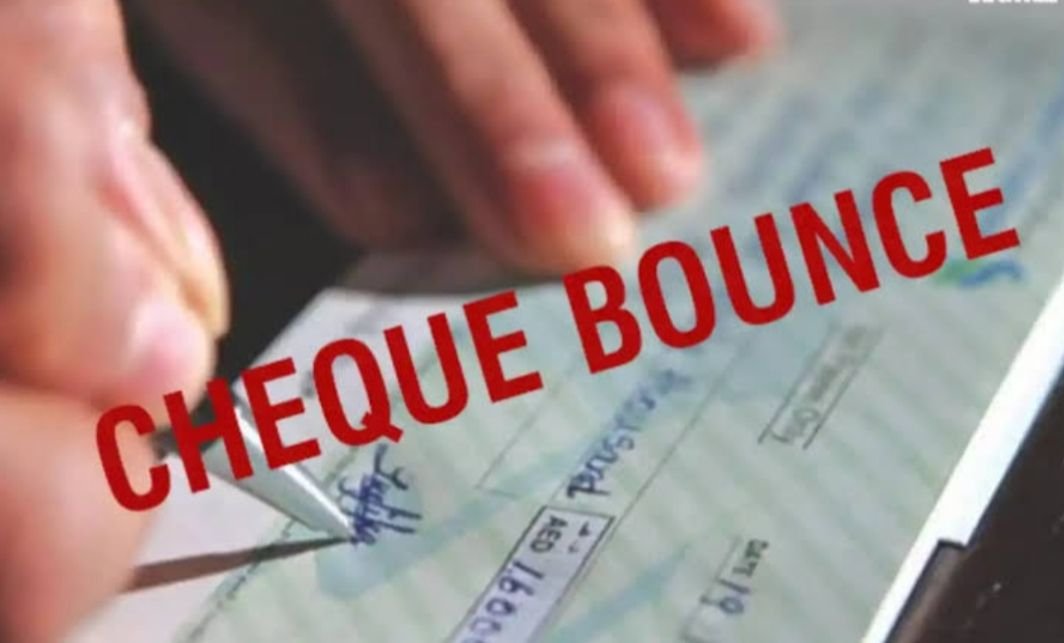
A cheque is commonly used for business transactions, personal loans, property dealings and other financial commitments. However, when a cheque is returned unpaid by the bank, it can create financial difficulties and legal complications for the person expecting payment. In India, cheque dishonour cases are primarily governed by Section 138 of the Negotiable Instruments Act, 1881.
Understanding the Cheque Bounce Case Procedure in Delhi is important for individuals, business owners, companies and creditors who want to recover legally due payments or respond to a cheque dishonour complaint. The law provides a specific procedure involving cheque presentation, a statutory legal notice, an opportunity for payment and, where necessary, a criminal complaint before the competent court.
For individuals dealing with cheque dishonour disputes in Delhi, timely legal advice and proper documentation can help avoid procedural mistakes. Advocate Vivek Narayan Sharma, Advocate-on-Record, Supreme Court of India, provides legal consultation and assistance in cheque bounce matters, including legal notices, litigation strategy and representation before appropriate courts.
What Is a Cheque Bounce Case Under Section 138 of the NI Act?
A cheque bounce occurs when a bank refuses to honour a cheque presented for payment. This may happen because of insufficient funds, an amount exceeding the agreed banking arrangement or other reasons recognised under applicable law.
Section 138 of the Negotiable Instruments Act, 1881, provides a legal remedy when a cheque issued towards the discharge of a legally enforceable debt or liability is dishonoured and the statutory conditions are satisfied.
The provision is intended to promote confidence in cheque-based transactions and provide a legal mechanism for addressing payment defaults.
However, every dishonoured cheque does not automatically result in an offence under Section 138. The circumstances of the transaction, the reason for dishonour, the existence of a legally enforceable liability and compliance with statutory timelines must be examined.
Common Reasons Why Cheques Are Dishonoured
Banks may return cheques unpaid for several reasons. Some commonly encountered reasons include:
- Insufficient Funds: The account does not contain enough money to honour the cheque.
- Exceeds Arrangement: The cheque amount exceeds the overdraft or other agreed banking limit.
- Account Closed: The account on which the cheque was drawn has been closed.
- Payment Stopped: The account holder has instructed the bank to stop payment.
- Signature Issues: The signature does not match the bank’s records.
- Technical Irregularities: Errors relating to cheque details, alterations or other banking requirements.
The legal consequences depend on the specific reason and circumstances. A cheque returned for insufficient funds or exceeding the agreed arrangement may attract Section 138 when its other requirements are fulfilled. Other dishonour reasons require a separate legal assessment rather than an automatic assumption of criminal liability.
Cheque Bounce Case Procedure in Delhi: Step-by-Step Legal Process
Understanding the statutory procedure is essential for someone whose cheque has been dishonoured. The following steps explain how a cheque bounce matter generally progresses under Section 138.
1. Present the Cheque Within Its Validity Period
The first step is to present the cheque to the bank for payment within its applicable validity period.
Under Section 138, the cheque must be presented within six months from its date or within its validity period, whichever is earlier. In normal Indian banking practice, cheque validity is generally three months.
If the cheque is presented after its validity expires, the statutory requirements for initiating a Section 138 case may not be satisfied.
Therefore, the payee should preserve the original cheque and obtain the bank’s return memo if the cheque is dishonoured.
2. Obtain the Bank’s Cheque Return Memo
When a cheque is dishonoured, the bank generally issues a cheque return memo stating the reason for non-payment.
This document is important because it records the bank’s response and helps establish when the payee received information about the dishonour.
The cheque return memo should be preserved along with the original cheque, bank statements and relevant transaction records.
3. Send a Legal Demand Notice Within 30 Days
One of the most important requirements under Section 138 is issuing a written demand notice to the person who issued the cheque.
The payee or holder in due course must send the notice within 30 days of receiving information from the bank about the cheque being returned unpaid.
The notice should clearly identify:
- The cheque number and date.
- The amount mentioned on the cheque.
- The date and reason for dishonour.
- The underlying legally enforceable debt or liability.
- A clear demand for payment of the cheque amount.
Proper drafting and timely service of the notice are essential. Errors in the notice or failure to comply with statutory requirements may affect the legal proceedings.
4. Allow 15 Days for Payment
After receiving the statutory demand notice, the cheque issuer gets 15 days to pay the cheque amount.
If the drawer makes the required payment within this period, the statutory cause of action under Section 138 does not arise on that basis.
However, if payment is not made within the prescribed period, the payee may proceed with a complaint under the Negotiable Instruments Act.
5. File a Complaint Before the Competent Court
If the cheque issuer fails to pay within 15 days of receiving the notice, the payee can initiate legal proceedings.
Under Section 142 of the Negotiable Instruments Act, the complaint must ordinarily be filed within one month from the date on which the cause of action arises.
The court may condone a delay if sufficient cause is established.
The complaint is filed before the competent Metropolitan Magistrate or Judicial Magistrate First Class, subject to applicable territorial jurisdiction rules.
In Delhi, the appropriate court depends on the statutory jurisdiction applicable to the transaction and the relevant banking details.
6. Court Proceedings and Evidence
After filing the complaint, the court examines the matter and follows the applicable procedure.
The proceedings may involve:
- Examination of the complaint and supporting documents.
- Issuance of summons to the accused, where appropriate.
- Appearance before the court.
- Consideration of evidence and legal submissions.
- Cross-examination, where applicable.
- Settlement discussions, if the parties are willing.
- Final arguments and judgment.
Section 145 of the NI Act also provides for evidence on affidavit in appropriate proceedings.
The actual duration and course of proceedings depend on the facts, evidence, court schedule and procedural developments.
Which Court Handles Cheque Bounce Cases in Delhi?
This is an important question for people searching for legal assistance near the Supreme Court of India.
Although a lawyer may have professional chambers at the Supreme Court in New Delhi, an ordinary Section 138 cheque bounce complaint is not initially filed before the Supreme Court.
Under Section 142(2) of the Negotiable Instruments Act, territorial jurisdiction is determined by specific rules relating to the bank through which the payee presents the cheque for collection.
Generally, where the cheque is deposited through an account, jurisdiction lies with the court having jurisdiction over the branch where the payee maintains that account. In other situations, the statutory rule relating to the drawer’s bank branch applies.
Cheque bounce matters are ordinarily tried by the competent Metropolitan Magistrate or Judicial Magistrate First Class.
The Supreme Court may become relevant at a later stage where a matter raises issues that fall within its appellate or other applicable jurisdiction.
Therefore, determining the correct court and procedural route requires an examination of the transaction and relevant banking records.
What Documents Are Required for a Cheque Bounce Case?
Proper documentation helps establish the transaction, cheque dishonour and compliance with statutory requirements.
Depending on the facts of the case, the following documents may be required:
- Original dishonoured cheque.
- Bank cheque return memo.
- Copy of the legal demand notice.
- Postal receipt and delivery confirmation or other proof of service.
- Loan agreement, invoice or business contract, where applicable.
- Relevant bank statements and payment records.
- Correspondence between the parties.
- Identity and address details of the relevant parties.
- Any settlement agreement or acknowledgement of liability.
Additional documents may be necessary depending on whether the dispute concerns a personal loan, business transaction, commercial agreement or company-issued cheque.
Legal Defences Available in Cheque Bounce Cases
A person facing a cheque bounce complaint has the right to present a legally sustainable defence based on the facts and evidence.
Some issues that may require examination include:
Dispute Regarding Legally Enforceable Debt: Section 138 applies to cheques issued towards a legally enforceable debt or liability. The existence and nature of the underlying obligation may therefore become relevant.
Dispute Regarding Liability: The accused may challenge the complainant’s version of the transaction through relevant documents, correspondence and other admissible evidence.
Procedural Non-Compliance: Failure to satisfy statutory requirements relating to the demand notice, timelines or other essential conditions may affect the maintainability of a complaint.
Security Cheque Disputes: A cheque described as a security cheque is not automatically outside the scope of Section 138. Its legal treatment depends on whether a legally enforceable liability existed when the cheque became payable and was presented.
Section 139 creates a rebuttable presumption in favour of the cheque holder. Consequently, a defence must be assessed in light of the statutory presumptions and the evidence available in the particular case.
How a Cheque Bounce Lawyer in Supreme Court Delhi Can Assist
Cheque dishonour litigation requires attention to statutory timelines, documentary evidence, procedural requirements and the legal nature of the underlying transaction.
A lawyer handling cheque bounce matters may assist with different stages of the dispute, including:
- Legal Consultation: Reviewing the facts and identifying the appropriate legal remedies.
- Legal Notice Drafting: Preparing a demand notice in accordance with Section 138.
- Complaint Preparation: Drafting and filing a complaint before the competent court.
- Defence Strategy: Examining the allegations, documents and available legal defences.
- Court Representation: Assisting with procedural hearings, evidence and legal submissions.
- Settlement Assistance: Advising on lawful settlement options and documentation.
- Appellate Remedies: Examining appropriate remedies where a case reaches an appellate stage.
Advocate Vivek Narayan Sharma is an Advocate-on-Record at the Supreme Court of India and practises in legal matters involving litigation and dispute resolution. His professional profile and cheque bounce practice information are available on his official website.
For individuals and businesses dealing with cheque dishonour disputes, an early review of the documents and statutory deadlines can help determine the appropriate course of action.
Frequently Asked Questions About Cheque Bounce Cases in Delhi
1. What is the time limit for sending a cheque bounce legal notice?
The payee or holder in due course must issue a written demand notice within 30 days of receiving information from the bank regarding dishonour of the cheque.
2. How many days does the cheque issuer get to make payment?
The drawer gets 15 days from the date of receipt of the statutory demand notice to pay the cheque amount.
3. What is the punishment under Section 138 of the NI Act?
Section 138 provides for imprisonment of up to two years, a fine that may extend to twice the cheque amount, or both, subject to the court’s decision and applicable law.
4. Can a cheque bounce case be settled outside court?
Yes. Parties may explore mutual settlement or mediation. Cheque bounce offences are compoundable under Section 147 of the Negotiable Instruments Act, subject to applicable legal requirements.
5. Can a cheque bounce case be filed directly in the Supreme Court?
Ordinary Section 138 complaints are filed before the competent Metropolitan Magistrate or Judicial Magistrate First Class. The Supreme Court is not the initial trial court for such complaints.
6. Can a case be filed if the cheque was issued as security?
A security cheque may attract Section 138 if the relevant legally enforceable liability had become due and the statutory requirements were fulfilled. The facts and supporting documents must be examined.
7. What happens if the legal notice is not sent within 30 days?
Failure to issue the statutory notice within the prescribed period can affect the ability to initiate proceedings under Section 138 on that dishonour. The specific facts and applicable legal position should be reviewed before deciding the next step.
Conclusion
Cheque dishonour can create significant financial and legal difficulties for individuals and businesses. However, the Negotiable Instruments Act, 1881, provides a structured legal process for addressing qualifying cheque dishonour disputes.
Understanding the Cheque Bounce Case Procedure in Delhi, particularly the 30-day notice requirement, 15-day payment period and one-month complaint filing period, is essential for protecting legal rights and avoiding procedural complications.
Whether you are seeking payment after a dishonoured cheque or responding to a complaint, the facts, documents and statutory timelines should be carefully examined. Depending on individual circumstances, legal assistance may also be required in related matters involving criminal cases, criminal bail applications or divorce proceedings, each of which involves separate legal procedures and considerations.
Advocate Vivek Narayan Sharma, Advocate-on-Record, Supreme Court of India, provides legal consultation in cheque bounce and related litigation matters. Individuals seeking legal guidance on criminal law, bail matters, divorce cases and other legal disputes may also visit the relevant service pages on the official website or contact the office for a consultation.
Contact Us : +91 9717417779